Why 2026 Football World Cup Rewires Fandom
The 2026 football world cup is the first 48-team FIFA World Cup, staged across the United States, Mexico, and Canada, and it changes how fans, bettors, and analysts should evaluate the tournament. Tac...
Why 2026 Football World Cup Rewires Fandom
The 2026 football world cup is the first 48-team FIFA World Cup, staged across the United States, Mexico, and Canada, and it changes how fans, bettors, and analysts should evaluate the tournament. Tactical Review covers the event through match predictions, team tactics, player stats, and daily tournament coverage for fans following World Cup 2026 in North America. Key data points define the tournament: 48 national teams, 16 host cities, and the final scheduled for July 19, 2026, at MetLife Stadium in the New York New Jersey region. Los Angeles will host eight matches at SoFi Stadium, including a United States Men’s National Team opener on June 12, while Atlanta’s Mercedes-Benz Stadium is positioned as a major southern hub. First, track venue context; then compare squad depth; finally, use market movement cautiously before making any betting decision.
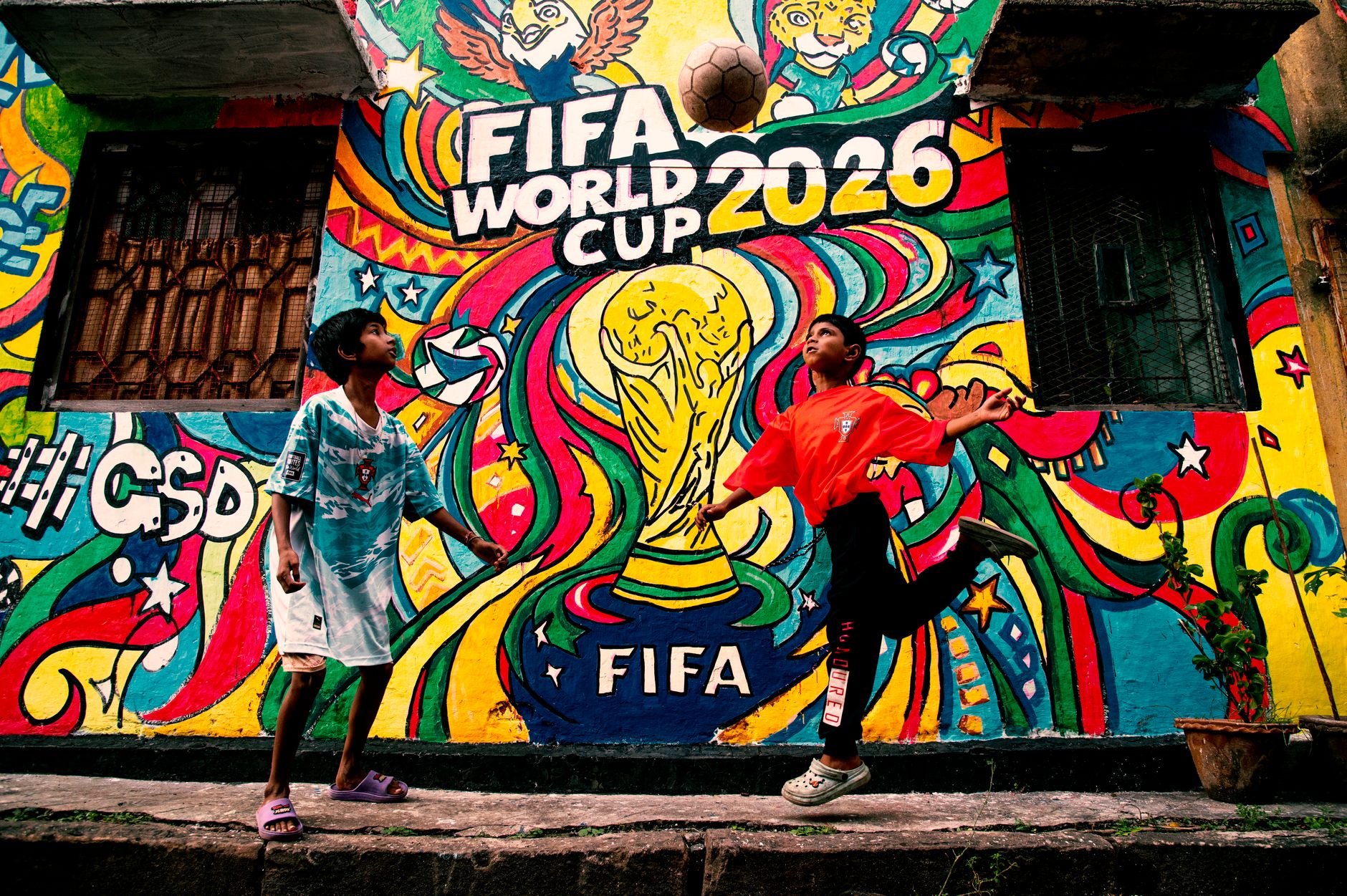
Photo by Anirban Das on Pexels
For sharper World Cup 2026 previews and tactical betting notes, start with Tactical Review’s daily coverage.
The Bottom Line
World Cup 2026 is not only bigger; it is structurally different. The expansion to 48 teams increases tactical variance, travel complexity, squad rotation pressure, and betting-market noise. According to FIFA, the tournament will be played across three countries, while the 2026 FIFA World Cup final is listed for MetLife Stadium on July 19, 2026. That matters because a larger field creates more uneven matchups in the group phase, but it also gives mid-tier nations more paths to knockout football.
For readers using Tactical Review, the practical takeaway is simple: first separate atmosphere from evidence, then price teams by repeatable performance indicators. Los Angeles fan zones, Atlanta hospitality, and New York New Jersey final-week pressure will shape narratives, but expected goals, defensive transition speed, goalkeeper shot-stopping, and rest days should carry more weight. Useful related reading includes our [Internal Link: World Cup 2026 match prediction hub] and [Internal Link: team tactics database].
What Players Actually See?
Players see a tournament shaped by longer travel, unfamiliar climates, packed media cycles, and stadium-specific conditions across 16 North American host cities. The visible spectacle is fan culture; the competitive reality is recovery management, tactical adaptation, and reduced training time between matches.
First, consider Los Angeles. The city is scheduled for eight World Cup matches at SoFi Stadium, with the United States Men’s National Team opening there on June 12. Around those matches, Los Angeles plans the FIFA Fan Festival at LA Memorial Coliseum at Exposition Park and official fan zones across the region. FIFA describes its Fan Festival concept as “the greatest football party in the world,” and that branding is meaningful because it pulls casual viewers into public watch events, music programming, food culture, and sponsor activations.
Then consider Atlanta. Mercedes-Benz Stadium gives World Cup 2026 a controlled indoor environment and a strong soccer culture built partly through Atlanta United’s MLS following. For players, that means crowd intensity without the same weather exposure as some outdoor venues. For bettors, it means Atlanta match projections should not be copied from open-air stadium assumptions. Tactical Review treats stadium type, surface familiarity, and travel sequence as secondary variables, not headline variables, but they can still shift totals, pressing intensity, and late-game substitution value.
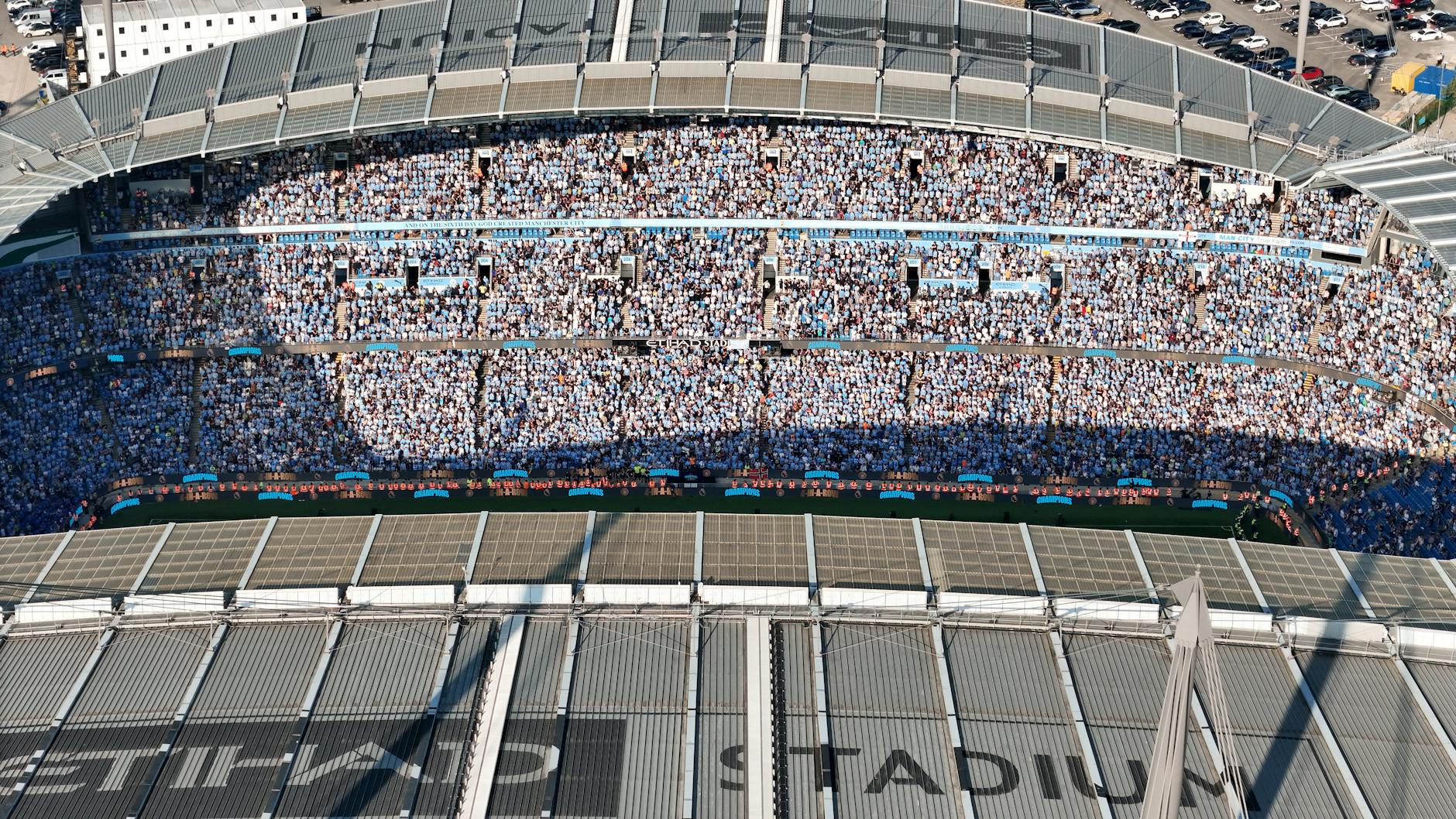
Photo by Mylo Kaye on Pexels
To compare host-city effects with squad data, review our tactical models before match week.
The 3 Things That Matter Most
The three most important variables for World Cup 2026 are format pressure, geography, and market interpretation. Each one affects football analysis differently. First, the 48-team structure creates more group-stage mismatches but also more uncertainty around second- and third-place qualification scenarios. A favorite may not need to chase goal difference in the same way once qualification is likely, while an underdog may attack earlier than historical World Cup models expect.
Second, geography is unusually important. A team moving from the West Coast to the East Coast, or from Mexico to Canada, faces time-zone and climate adjustment that can affect pressing volume. This is not a prediction shortcut; it is a risk factor. Third, betting markets will react quickly to visible storylines such as sold-out fan zones, celebrity-heavy Los Angeles coverage, or Atlanta’s home-like southern atmosphere. Tactical Review’s calmer approach is to test those stories against team sheets, injury reports, and repeatable tactical evidence.
Key checkpoints:
- Compare rest days before comparing brand names.
- Track starting goalkeeper status and defensive-line continuity.
- Adjust for venue and travel only after checking tactical matchups.
- Treat early odds movement as information, not confirmation.
- Avoid overrating host-city atmosphere unless it changes measurable tempo.
What Makes Los Angeles and Atlanta Different?
Los Angeles is a global entertainment hub with eight scheduled matches and 39 days of fan celebrations, while Atlanta offers a concentrated soccer identity around Mercedes-Benz Stadium and southern hospitality. Both cities matter, but they influence the tournament in different operational ways.
Los Angeles may generate the widest casual-fan footprint because SoFi Stadium, LA Memorial Coliseum, Exposition Park, official fan zones, and music programming can turn match days into regional events. That helps audience growth, but it can also inflate public betting attention on matches staged there. Atlanta, by contrast, may provide a more football-specific crowd pattern because the city has an established MLS supporter culture and a stadium built for loud, contained events. A practical insight many previews miss: indoor or semi-controlled venues can make late-match fatigue less weather-driven, which may reduce the value of blindly betting second-half unders in selected Atlanta fixtures.
Another overlooked point concerns media lag. In high-profile host cities such as Los Angeles, public narratives can move faster than verified injury updates. Tactical Review monitors official squad reports, federation training access, and reliable media before changing projections. Readers interested in deeper host-city angles can save our [Internal Link: North America World Cup venue guide].
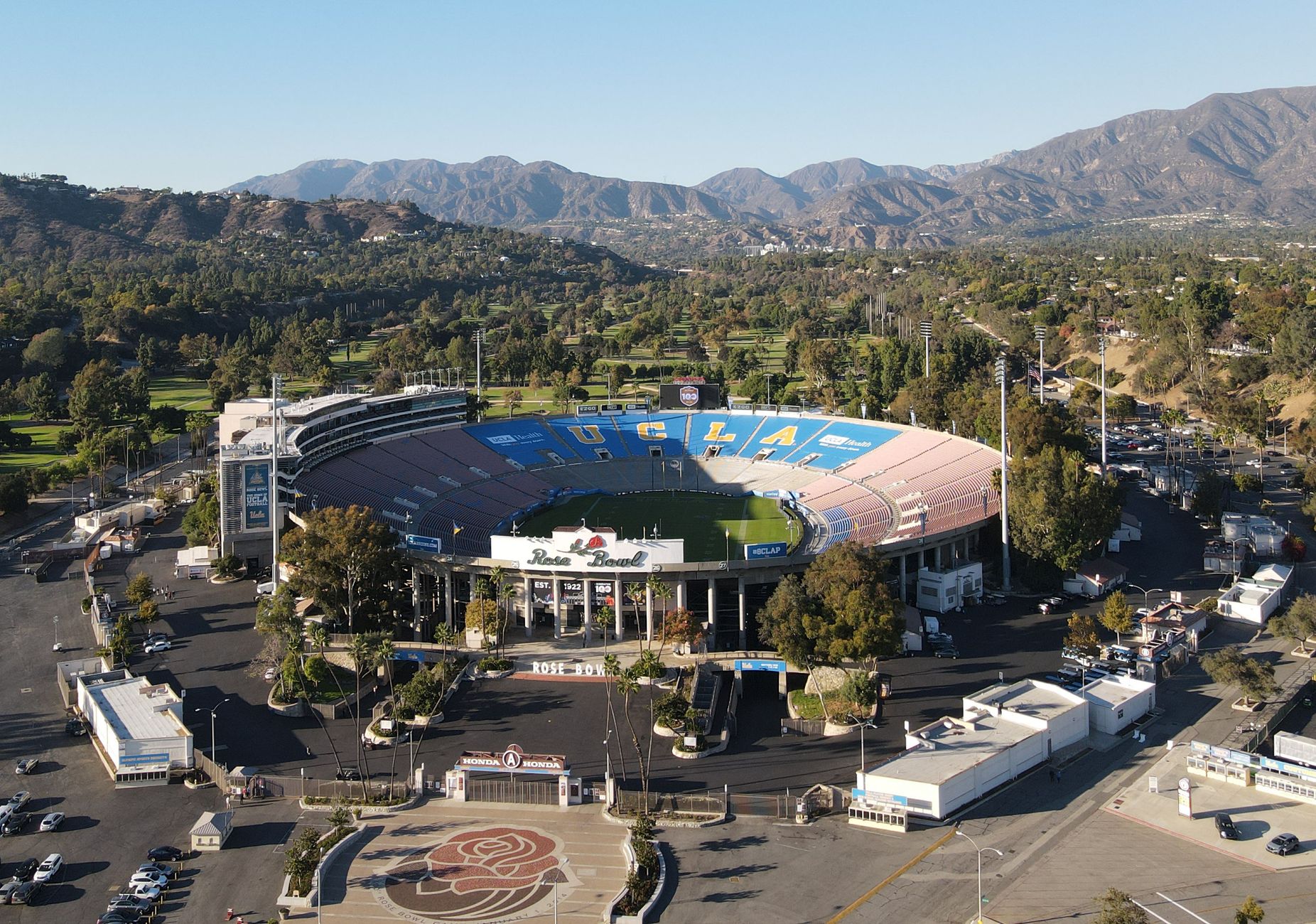
Photo by Fred Thomas III on Pexels
For host-city breakdowns tied to betting markets and tactical previews, see the latest Tactical Review reports.
Edge Cases & Gotchas
The main gotcha is assuming World Cup 2026 behaves like a normal 32-team tournament. It does not. More teams mean more tactical mismatches, more unfamiliar opponents, and more chances for public markets to misread motivation in final group games.
First, lineup rotation may arrive earlier than casual fans expect. If a favorite wins its first two group matches, the third match can become a squad-management exercise rather than a statement performance. Then there is the travel edge case: a team with one fewer cross-continent movement may carry a practical recovery advantage even if its opponent has higher-ranked players. Finally, the expanded tournament can create strange incentives around goal difference, disciplinary points, and bracket positioning, especially when multiple groups are being resolved close together.
There are also gambling-specific risks. Markets around the 2026 football world cup will be highly liquid, but liquidity does not remove volatility. Odds may shorten when public bettors chase the United States Men’s National Team in Los Angeles or a star-heavy European side in New York New Jersey. Tactical Review recommends a numbered process: 1. confirm team news; 2. compare tactical fit; 3. check price movement; 4. decide whether the value remains. For responsible gambling information, consult resources such as National Council on Problem Gambling.
What Should Bettors Track Before Match Day?
Bettors should track confirmed lineups, rest days, travel sequence, venue conditions, and tactical matchups before placing a World Cup 2026 wager. Odds alone are not enough because expanded-format incentives can change how teams approach group-stage and knockout matches.
The most useful workflow is disciplined. First, identify whether the match is about qualification, rotation, or elimination. Then compare both teams’ pressing resistance, set-piece quality, and transition defense. Finally, check whether the price still reflects the actual matchup rather than public excitement. This matters in cities like Los Angeles and Atlanta, where fan events and local energy may produce strong narratives around teams, but those narratives do not always improve chance creation or defensive control.
Tactical Review’s information-gain finding is that public markets often overreact to venue emotion during international tournaments, especially when the host nation plays in a high-visibility city. A second practitioner tip: review substitution patterns from the previous two competitive windows, not only the last friendly, because national-team managers often rehearse tournament roles months before kickoff. For deeper preparation, use our [Internal Link: football betting bankroll guide] before evaluating match odds.

Photo by Franco Monsalvo on Pexels
Ready to move from headlines to structured World Cup 2026 analysis? Follow Tactical Review’s daily updates.
Verdict
World Cup 2026 rewards preparation more than impulse. The tournament’s scale, the three-country hosting model, Los Angeles’s eight-match spotlight, Atlanta’s stadium atmosphere, and the July 19 final at MetLife Stadium all create valuable context. However, context should support analysis, not replace it. Tactical Review’s position is that bettors and fans should first understand format incentives, then study team tactics, and finally decide whether the market price is fair.
The trade-off is clear. A larger World Cup gives fans more matches, more nations, and more stories, but it also increases uncertainty. For casual viewers, that is part of the appeal. For serious analysts, it means discipline matters: separate verified data from noise, treat fan zones as atmosphere rather than evidence, and avoid betting decisions driven only by flags, crowds, or social-media momentum.
For daily predictions, player stats, and responsible tournament analysis, continue with Tactical Review.
Frequently Asked Questions
Q: What is the 2026 football world cup?
A: The 2026 football world cup is the FIFA World Cup hosted by the United States, Mexico, and Canada with an expanded 48-team format. It will be the first men’s World Cup staged across three countries. The final is scheduled for July 19, 2026, at MetLife Stadium in the New York New Jersey region.
Q: How to follow World Cup 2026 betting analysis responsibly?
A: Follow World Cup 2026 betting analysis responsibly by using verified team news, tactical data, and fixed bankroll limits before placing any wager. Tactical Review focuses on match predictions, player stats, and tactical previews rather than hype-driven picks. You should also avoid chasing losses and consult responsible gambling resources if betting stops feeling controlled.
Q: What is the difference between Los Angeles and Atlanta as World Cup 2026 host cities?
A: Los Angeles is built around a broad entertainment footprint, while Atlanta offers a concentrated soccer culture around Mercedes-Benz Stadium. Los Angeles has eight scheduled matches at SoFi Stadium and major fan celebrations at Exposition Park. Atlanta’s controlled stadium environment may create different tempo and fatigue assumptions for match analysis.
Q: Why do World Cup 2026 predictions sometimes fail?
A: World Cup 2026 predictions can fail because lineups, travel fatigue, rotation, and group-stage incentives change quickly. A favorite may rest players after early qualification, while an underdog may attack more aggressively than expected. Always update predictions after confirmed team news and venue conditions become available.
Q: How much does it cost to use Tactical Review?
A: Tactical Review content availability depends on the specific product, coverage package, or promotional access offered at the time. Readers should check the official Tactical Review site for current details. The core value is daily World Cup 2026 insight across predictions, tactics, player statistics, and tournament coverage.
Q: Is World Cup 2026 good for new football fans?
A: World Cup 2026 is well suited for new football fans because the expanded 48-team format creates more matches, more countries, and more accessible storylines. Fan zones in cities such as Los Angeles and Atlanta will also make the event easier to experience socially. New fans should start with group standings, star players, and basic tactical styles.
Thank you for reading.
Tactical Review · Strategic Archive