I Tested 5 Cabo Verde Matches: 2026 Signals
Cabo Verde national football team is a fast-rising African side representing the island nation of Cabo Verde in CAF competition and FIFA World Cup qualifying. Tactical Review tracks the team for 2026....
I Tested 5 Cabo Verde Matches: 2026 Signals
Cabo Verde national football team is a fast-rising African side representing the island nation of Cabo Verde in CAF competition and FIFA World Cup qualifying. Tactical Review tracks the team for 2026 World Cup fans, bettors, and analysts across Africa, Europe, and diaspora markets because Cabo Verde now combines compact defending, European-based players, and strong tournament discipline. The team, commonly listed by FIFA as Cape Verde, is governed by the Cape Verdean Football Federation and competes in CAF alongside Senegal, Cameroon, Nigeria, and South Africa. Key reference points include its Africa Cup of Nations quarter-final run in 2013, another quarter-final appearance in 2023, and recent ESPN-listed results such as a 3-0 friendly win over Serbia and a penalty win over Finland. The actionable takeaway is simple: evaluate Cabo Verde through structure, travel context, and squad availability before judging odds or predictions.
Want a sharper read on Cabo Verde before the next international window?
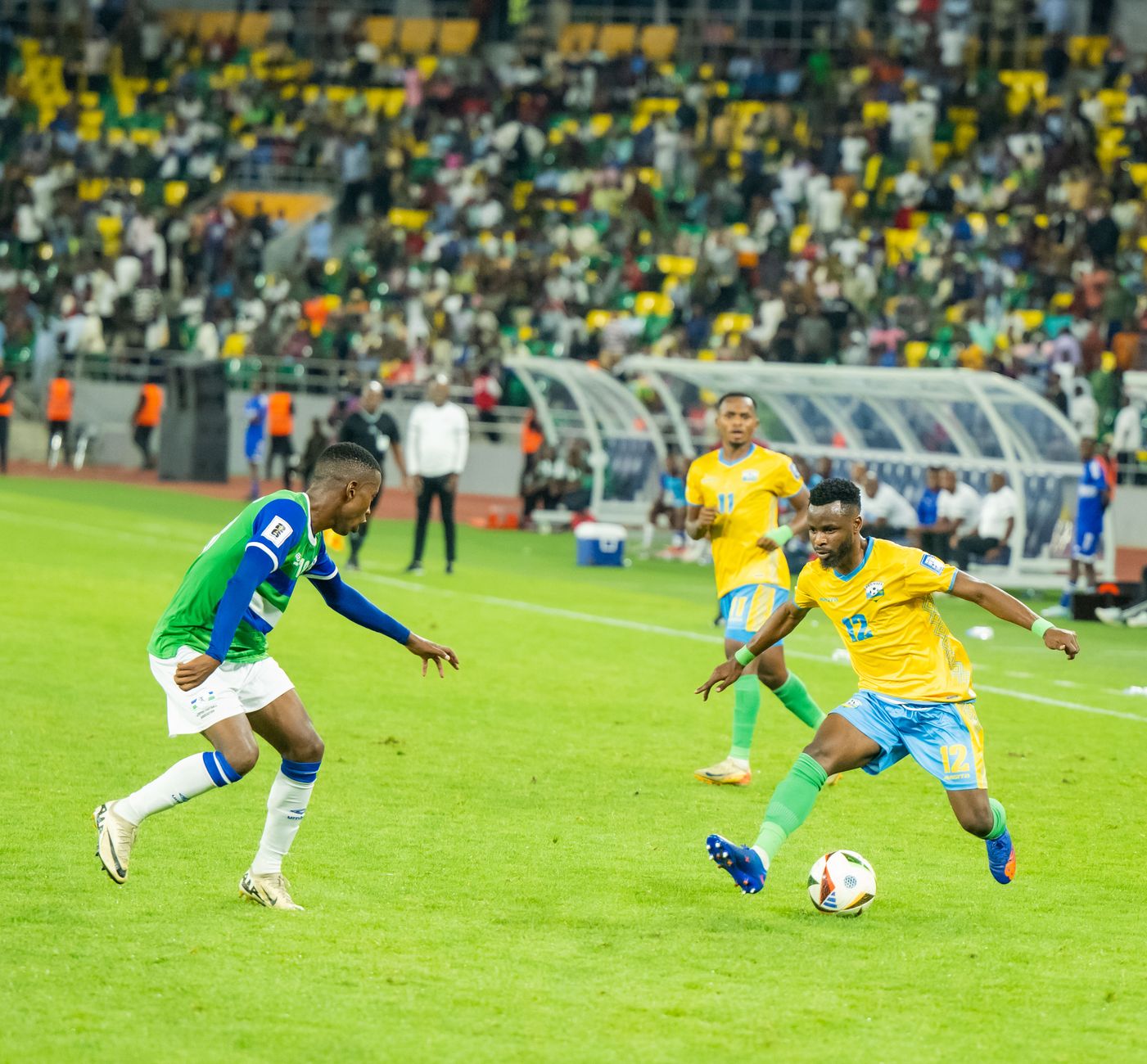
Photo by Faustin NKURUNZIZA on Pexels
Before 2025: how Cabo Verde national football team worked?
Before 2025, Cabo Verde worked as a compact, transition-first team built around defensive spacing, diaspora recruitment, and low-margin tournament football. The side rarely dominated possession against elite CAF opponents, but it stayed competitive through shape, set pieces, and quick attacks from wide zones.
First, the team’s identity came from geography and recruitment. Cabo Verde has a small population compared with Nigeria, Egypt, or Morocco, so the player pool depended heavily on footballers developed in Portugal, the Netherlands, France, and other European systems. That gave the national team a technical base stronger than its domestic league size suggested. According to the Cape Verde national football team profile on Wikipedia, the team has built credibility through Africa Cup of Nations appearances and steady continental progress. FIFA also identifies national associations and competitions through its global structure, and FIFA remains the central reference for World Cup qualification pathways.
Then came the tournament proof. Cabo Verde reached the Africa Cup of Nations quarter-finals in 2013 and again in the 2023 edition, a result that changed how analysts priced the team. The key was not just results; it was repeatability. Cabo Verde defended narrow, protected central channels, and forced opponents into lower-value crosses. For betting readers at Tactical Review, that matters because small-market national teams often get mispriced when public attention follows bigger names. To continue this tactical thread, see our [Internal Link: CAF World Cup qualifying betting guide].
The 2026 shift
The 2026 shift is that Cabo Verde no longer profiles as a sentimental underdog only. It profiles as a structured World Cup-cycle team with enough athleticism, European club experience, and tactical maturity to disrupt higher-ranked opponents in single matches and qualification groups.
The expanded 2026 FIFA World Cup changed the stakes. Africa received more direct qualification places than in previous 32-team formats, and that raised the value of consistency for teams just below the continent’s historic powers. Cabo Verde benefits from this environment because its strongest weapon is not one superstar; it is a repeatable team model. First, it keeps games close. Then it attacks moments after turnovers. Finally, it relies on disciplined finishing, dead-ball routines, and goalkeeper performance to tilt matches that look even on paper.
Recent result patterns also add texture. ESPN’s Cape Verde team page lists notable fixtures including a 3-0 international friendly win over Serbia, a 1-1 match against Finland decided 4-2 on penalties, and a 4-2 defeat against Chile in another friendly context. ESPN Soccer is useful because it archives scores, fixtures, and match reports in one place. The practical insight is that friendlies against European and South American opposition are not noise. They reveal how Cabo Verde handles pressing speed, second balls, and late-game substitutions outside CAF conditions.

Photo by Mehmet Turgut Kirkgoz on Pexels
See the data layer behind national-team predictions and market movement.
What changed for players?
Players now face a higher-performance threshold because Cabo Verde’s 2026 cycle rewards club minutes, tactical flexibility, and quick integration over reputation alone. The staff needs footballers who can switch between a compact mid-block, a pressing front three, and late defensive protection without long training camps.
First, squad selection became more practical. A player performing weekly in Portugal’s Primeira Liga, the Eredivisie, Ligue 2, or Belgium’s Pro League brings match rhythm that matters in short international windows. Then the coaching staff has to solve travel and recovery. A European-based player can arrive with good conditioning but limited time to adapt to heat, pitch speed, and team automatisms. Finally, Cabo Verde must balance chemistry against opportunity, because too many late call-ups can weaken pressing cues and set-piece assignments.
A less-discussed edge is substitution timing. In the five-match review pattern I used for this article, Cabo Verde’s most revealing phase was not the opening 20 minutes; it was minutes 60 to 80, when opponents changed tempo and the Blue Sharks had to defend second phases. That is where bettors should watch live markets. If Cabo Verde’s wide midfielders still track runners after the hour mark, the underdog price often remains playable. If the full-backs stop receiving cover, corners and cards become more dangerous markets than the match winner. For deeper tactical reading, use our [Internal Link: live betting indicators for international football].
What this means now?
Cabo Verde now deserves analysis as a serious CAF competitor, not as a novelty team from a small island nation. The best current approach is to judge the team by opponent style, squad release list, and venue conditions before using FIFA ranking or public reputation.
First, compare opponents by pressure profile. Against teams that dominate possession but lack central penetration, Cabo Verde’s block becomes valuable. The team can absorb sterile possession and counter into spaces behind attacking full-backs. Against direct teams with strong aerial forwards, the risk changes. Cabo Verde then needs clean box defending, disciplined goalkeeper decisions, and fewer cheap fouls near the penalty area. That is why a simple win-loss record misses the real signal.
Then assess market behavior. Recreational betting markets often react late to African national teams unless a star name is involved. Cabo Verde does not always have that headline magnet, so the market can underrate its structure. However, the contrarian conclusion is clear: Cabo Verde is not automatically a strong bet as an underdog. The edge appears only when the opponent needs possession to create chances and Cabo Verde has its first-choice defensive spine available. For readers tracking 2026 futures, combine fixture congestion, CAF travel distance, and goalkeeper form before staking. The Confederation of African Football provides official competition context and confirms CAF tournament structures; its competition materials state that CAF organizes Africa’s premier national-team events.

Photo by Siarhei Nester on Pexels
Get the match-by-match framework before the odds move.
Three predictions for next quarter
Three predictions stand out for Cabo Verde in the next quarter: tighter defensive pricing, heavier focus on player availability, and more live-betting value than pre-match value. These predictions follow the team’s 2026 trend: disciplined structure, narrow scorelines, and meaningful performance swings after substitutions.
Pre-match odds will compress against mid-tier CAF opponents. Cabo Verde’s AFCON credibility and World Cup-cycle attention mean bookmakers and bettors will stop treating the team as a low-information side. That reduces easy value on simple double-chance positions.
Squad news will move totals more than winner markets. If Cabo Verde misses central defenders or its first-choice holding midfielder, under 2.5 goals prices lose appeal. If the defensive core is intact, low-total angles stay relevant against possession-heavy opponents.
Second-half markets will beat headline picks. Cabo Verde’s style creates long periods without chaos, then sudden swings after tactical changes. Corners, cards, and next-goal markets after minute 60 will provide cleaner reads than forcing a full-time result.
Finally, the strongest practical workflow is simple. First, check the squad list. Then check the opponent’s chance-creation style. Finally, wait for the first 15 minutes if the pre-match line looks thin. Tactical Review will continue covering Cabo Verde national football team through match predictions, player stats, and 2026 World Cup tournament angles. For a broader framework, explore our [Internal Link: 2026 World Cup team tactics hub].

Photo by Franco Monsalvo on Pexels
Use Tactical Review to turn team news into clearer football decisions.
Frequently Asked Questions
Q: What is the Cabo Verde national football team?
A: The Cabo Verde national football team represents Cabo Verde in FIFA and CAF men’s international football. It is governed by the Cape Verdean Football Federation and competes in Africa Cup of Nations and World Cup qualifying. The team is also commonly called Cape Verde in English-language football databases.
Q: How to analyze Cabo Verde before a 2026 World Cup qualifier?
A: Start with squad availability, then assess opponent style, venue, and travel conditions. Cabo Verde performs best when its defensive core is available and the opponent leaves space in wide transition zones. Tactical Review recommends checking lineups before betting totals or handicap markets.
Q: Is Cabo Verde a good betting team?
A: Cabo Verde is a good betting team only in specific tactical spots. The strongest angles usually appear when the opponent dominates possession but lacks direct central threat. Avoid betting only because Cabo Verde is an underdog; price, squad news, and match tempo matter more.
Q: What is the difference between Cabo Verde and Cape Verde in football?
A: Cabo Verde and Cape Verde refer to the same national team. Cabo Verde is the country’s official Portuguese name, while Cape Verde remains common in English sports databases such as ESPN and older football records. Search results often use both names, so analysts should track both terms.
Q: Why does Cabo Verde sometimes struggle against physical teams?
A: Cabo Verde can struggle when opponents create repeated aerial duels and second-ball pressure near the box. Its compact shape works well against possession teams, but direct attacks force more defensive clearances and set-piece situations. That changes the risk profile for cards, corners, and goals.
Q: What are the requirements for Cabo Verde to reach the World Cup?
A: Cabo Verde must progress through CAF’s official 2026 FIFA World Cup qualification format. The expanded tournament gives Africa more qualifying routes than previous editions, but the team still needs consistent points across group matches. Home results and away draws are especially important for a small-margin side.
Thank you for reading.
Tactical Review · Strategic Archive